
The Novel "Plasticoral" Hybrid Exposes a Unrecorded New Tier of Marine Plastic Contamination
Marine plastic pollution is far from a newly uncovered, underdocumented crisis. For decades, researchers have tracked discarded plastic waste across nearly every type of marine habitat on the planet: sun-scorched public beaches, fragile shallow coral reefs, and even the darkest, most remote ocean trenches thousands of meters below the surface. While precise total volume measurements remain difficult to calculate, current estimates indicate several million metric tons of plastic debris already rest on the world’s seafloors.
For more than half a century, field observations have recorded marine animals getting fatally entangled in plastic waste or accidentally ingesting microplastic particles, to the point many geologists have formally proposed naming the current geological epoch — starting in the 1950s, when mass global plastic production began — the "Plastocene", or the Plastic Age.
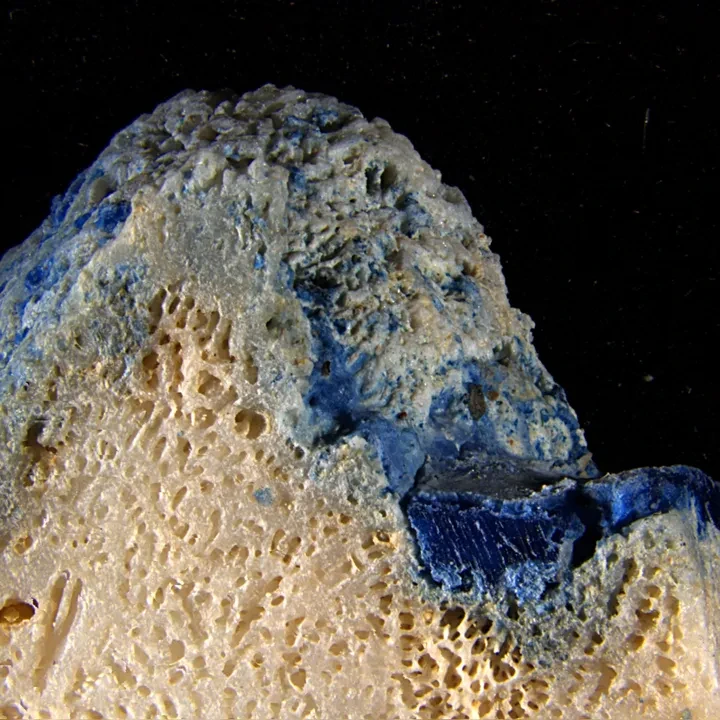
Even with this well-documented history of plastic’s far-reaching harm, a recent field survey of Japan’s southern Ryukyu Islands has uncovered a never-before-seen mechanism of pollution: plastic physically fusing directly to coral skeletal fragments.
This new composite material, which the research team has playfully dubbed "plasticoral", first caught the scientists’ attention as tiny, bright, neon-colored spots embedded in pale white crushed coral gravel scattered across local shorelines. The team gathered samples from three separate beaches on Okinawa’s main island, and brought them back to the lab for spectroscopic analysis, which confirmed the embedded spots were polymers sourced from ordinary, mass-produced household plastic goods. Follow-up micro-CT scans revealed an even more striking detail: the plastic polymers had melted and seeped deep into the microscopic pores of the dead coral skeleton fragments, bonding so completely that the two materials could no longer be separated by conventional physical means.
Plastic fusing to natural environmental materials is not an entirely new phenomenon, but past recorded cases almost exclusively involved inert non-living substances such as rock. Back in 2019, a separate research group found a thin layer of degraded plastic coating tide pool mussels and large macroalgae, which they named "plastiskin" — but this new study marks the first time plastic has ever been documented fully fused to coral material.
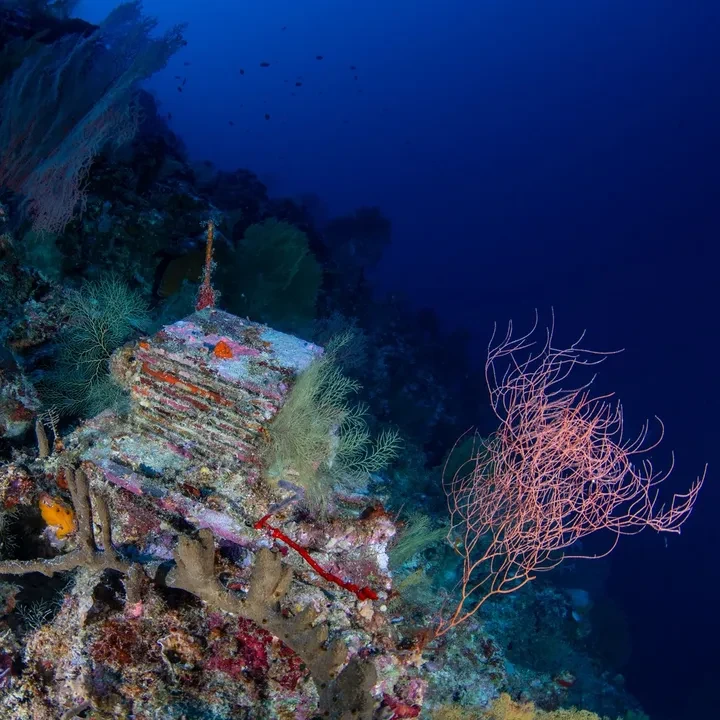
Though the coral rubble that forms plasticoral is no longer composed of living coral tissue, it rarely stays stranded on beaches permanently. Most of it eventually washes back out to the ocean, where it serves irreplaceable functions for reef ecosystem health: it forms a stable, solid foundation for new young coral polyps to settle and grow on, and its uneven, pitted structure creates critical hiding spots for small marine organisms to shelter from strong currents and hunting predators.
Researchers have not yet mapped out exactly what risks plasticoral poses to living reef communities, but existing related research points to clear cause for concern: multiple toxic additives that leach out of common consumer plastics have been proven to inhibit coral reproduction, and separate studies confirm plastic fragments often carry dangerous pathogens that trigger large-scale coral disease outbreaks.
The scientific team also has no confirmed, definitive explanation for exactly how the plastic fuses to coral fragments in the first place. Ocean temperatures are steadily rising due to climate change, but they are still not hot enough to reach the melting point of common plastic products. While strong tropical ultraviolet radiation can break down plastic over extended periods, the team’s leading working hypothesis points to unregulated beach bonfires as the most likely cause. Further targeted testing will be needed to confirm this theory, but given how pervasive plastic pollution is even across seemingly untouched, remote ecosystems, it is highly plausible that small, routine fires in otherwise pristine locations are creating these unplanned, permanent plastic-natural fusions with no prior human observation.
This story was originally published in WIRED Japan, translated and adapted from its original Japanese text.