
Earth’s Annual Climate Checkup: Planetary Vital Signs Hit Historic Extremes As The Warming Crisis Intensifies
A Bleak Annual Physical For The Planet
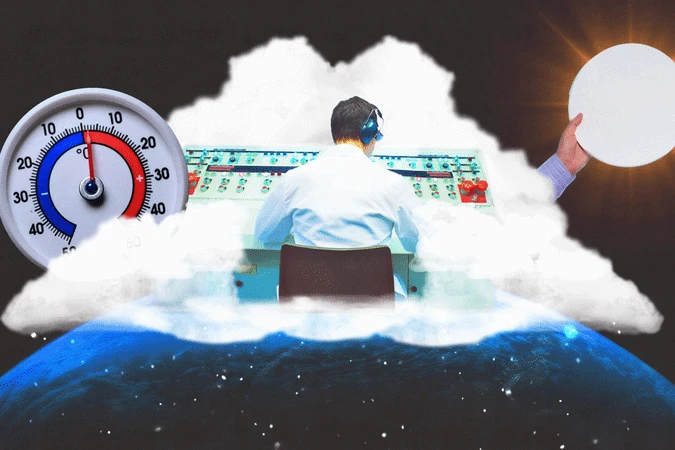
Our global climate just wrapped its yearly health assessment, and the results are far from positive. “If Earth were a human patient coming in for a routine annual physical, I’d classify its condition as serious and actively worsening,” says Bill Ripple, a leading researcher at Oregon State University. Ripple serves as the lead author of a landmark new climate status paper published Wednesday in the journal BioScience.
Record-Shattering Vital Signs Paint A Grim Picture
The team’s tracking of 16 core planetary health metrics reveals that 7 of these markers have never been more extreme in recorded human history. These unprecedented readings include atmospheric carbon dioxide concentrations, which now sit 50% higher than pre-industrial baselines after centuries of unregulated fossil fuel combustion, plus cascading knock-on impacts from that decades-long pattern of burning oil, coal and gas.
Both the Greenland and Antarctic ice sheets have shrunk to their lowest recorded mass on record, while total stored heat in the world’s oceans has climbed to an all-time high. The analysis also quantifies how much the rate of warming has accelerated: average global temperature rise clocked in at just 0.05°C per decade between 1880 and 1970, but that rate has surged to 0.36°C per decade from 2010 to the present day.
While the combined land and ocean global average temperature has not yet hit its absolute peak for the modern era, that record will almost certainly be broken by the end of the year as the ongoing El Niño event continues to strengthen.
Supercharged El Niño Amplifies Existing Warming Risks
El Niño is a well-documented natural climate pattern defined by abnormally hot surface temperatures across the Pacific Ocean, which pumps extra stored energy into the atmosphere and drives up global average heat levels. This year’s El Niño is on track to rank among the strongest events ever recorded.
“A severe El Niño has the potential to push global temperatures temporarily even higher, while bringing unprecedented heatwaves and prolonged drought to already vulnerable, low-resource regions,” Ripple explains. He adds a critical caveat: “El Niño itself is a natural cycle, but it is unfolding on top of a planet that is already drastically warmer than it was pre-industrially. That overlap makes all of its associated impacts far more dangerous than they would have been in a cooler era.”
Tipping Point Fears Loom For At-Risk Ecosystems
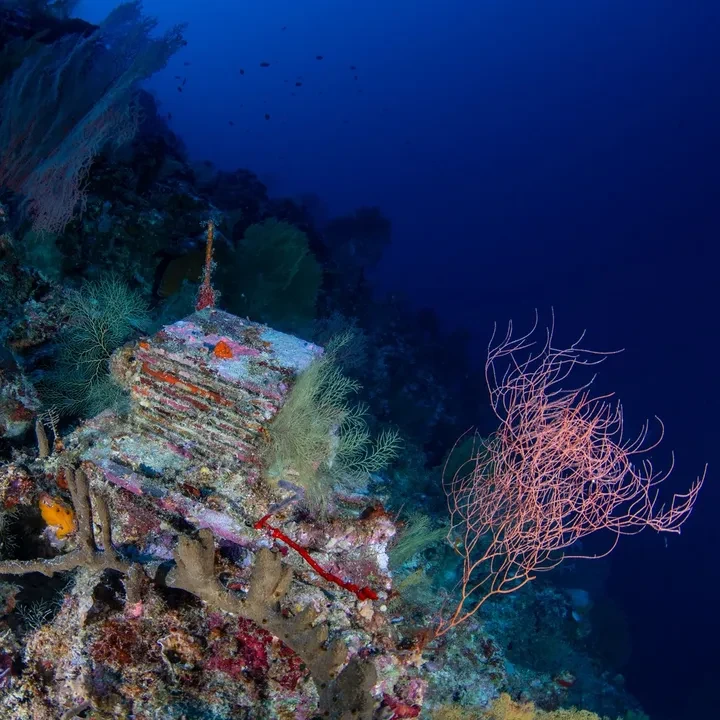
Two fragile, globally critical ecosystems are facing outsized risk from this combination of record baseline warming and a strong El Niño: coral reefs and old-growth tropical forests. The rapid spread of excess ocean heat is projected to trigger a massive global coral die-off event, known as mass coral bleaching. With each successive bleaching wave, reef systems lose more of their ability to bounce back from stress. Corals rank among the most climate-threatened ecosystems on Earth, and research confirms that the vast majority of the world’s reefs will be functionally extinct if global warming crosses the 1.5°C threshold.
Tropical forests face equally severe pressure, especially the Amazon, which reliably sees extended dry conditions during El Niño cycles. Timing for this dry spell could not be more urgent: the region widely nicknamed “the world’s lungs” is already under extreme strain from unregulated logging, mining operations, and the looming policy shift of a potential new right-wing Brazilian administration that has signaled it will prioritize extractive industry and land clearing over forest conservation.
The new report explicitly flags the Amazon as one of the high-risk systems approaching a critical tipping point: a hard threshold where the ecosystem would stop functioning as a rainforest, and shift permanently to a drier, savanna-like landscape. The authors note that this tipping point is not imminent, and will absolutely not be crossed in 2024 alone, but the El Niño-driven dry conditions this year will nudge the entire forest system closer to that irreversible threshold.
“Combined warming, unprecedented drought, and ongoing deforestation could push the Amazon into a state of widespread, irreversible forest degradation,” Ripple warns. “My biggest concern is that these different stressors will interact with each other, creating reinforcing feedback loops that make the decline almost impossible to stop.”
Narrow Bright Spots Are Not Yet Enough To Halt Decline
The report does not lean entirely into doom and gloom: its authors highlight that zero-carbon, renewable energy sources are now capturing a rapidly growing share of global power grids, a trend they dub the start of the “Age of Electricity” transition away from fossil fuels.
This positive progress, however, is not nearly enough to offset broader damage: annual global greenhouse gas emissions are still sitting at an all-time record high. The authors note the analogy is clear: this is the equivalent of a patient who has been warned they are on the brink of organ failure still smoking a full pack of cigarettes every single day.
“There are genuinely encouraging signs, most notably the explosive global growth of renewable energy capacity, but these shifts are not yet large or fast enough to reverse the overall deterioration of planetary health,” Ripple says in closing. “The climate emergency is not some distant threat waiting for future generations. We are already living through it right now.”